Fetal surgery · UAE specialist pathway

Precision before birth.

A deep specialist resource from definitive diagnosis to fetal-surgery selection, two-patient risk counselling, operating-system readiness, and lifelong follow-up.

Available now: fetal procedures at Mediclinic Airport Road Hospital, Abu Dhabi · Diagnostics and referral: Abu Dhabi, Al Ain, and Mediclinic pathways from Dubai

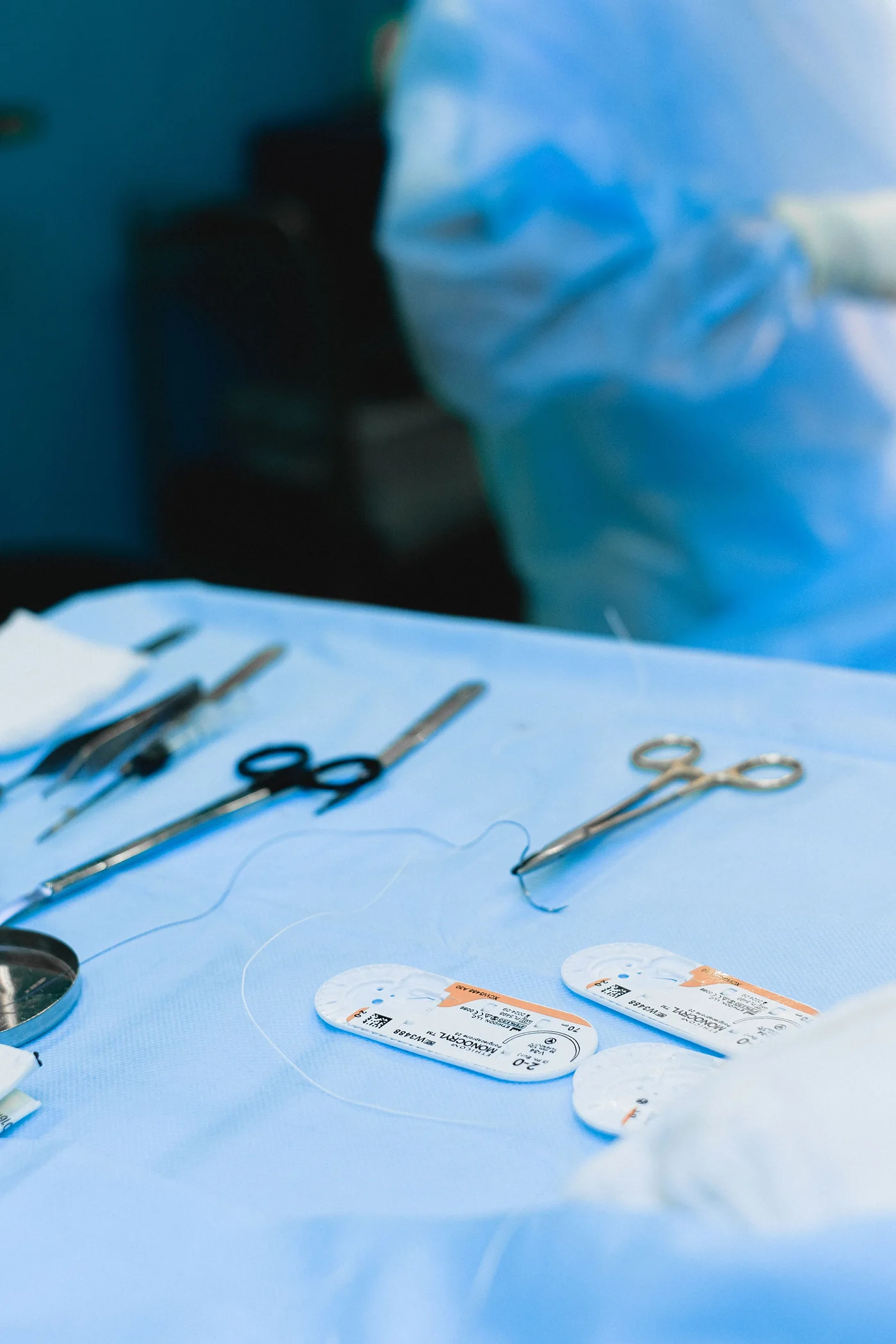
Multidisciplinary fetal surgery team planning with ultrasound and fetoscopic equipment in a modern operating environment
Editorial visual—not an active procedure or operational claim
11 educational procedure topics06 decision gates02 patients in every risk balance01 central procedure hub

The direct answer

Fetal surgery is an operation on a pregnancy—not only on a fetus.

Fetal surgery is an invasive procedure during pregnancy for a selected condition when intervening before birth may improve a meaningful outcome compared with waiting, delivery, or treatment after birth.

Every decision involves two patients and a pregnancy that must continue after the procedure. The team must define fetal benefit while protecting maternal safety, membranes, cervix, placenta, and the possibility of safe delivery. Technical possibility is not the same as clinical suitability.

The procedure is one event in a longer pathway: diagnostic confirmation, selection, consent, anaesthesia, surgery, postoperative surveillance, delivery, neonatal care, and condition-specific follow-up.

Read the complete introduction →

Advanced procedures available now

Different operations. Different evidence.

Each pathway has a distinct diagnosis, severity threshold, gestational window, maternal implication, technical limit, and follow-up requirement.

01 · Placental vessels

Fetoscopic laser for TTTS

Laser coagulates communicating placental vessels in selected monochorionic twins after staging, Doppler, cervical, placental, and fetal assessment.

Explore TTTS laser →
02 · Fetal airway

FETO for severe CDH

A temporary tracheal balloon is considered for selected severe congenital diaphragmatic hernia after lung-size, liver-position, genetic, and anatomical assessment.

Understand FETO and balloon removal →
03 · Neural tube

Fetoscopic spina bifida repair

A research-governed technique requiring detailed neuroimaging, genetic evaluation, maternal selection, paediatric neurosurgery, and lifelong follow-up.

Read the technique-specific evidence →
04 · Fetal access

Fetoscopy

Endoscopic access through small ports for a defined diagnostic or operative target after placenta, fetal position, membranes, cervix, and emergency plans are mapped.

See how fetoscopy works →

The two-patient balance

Potential fetal benefit never erases maternal risk.

Consent must describe maternal and fetal outcomes separately, then explain how the procedure changes the pregnancy connecting them.

Patient one

Mother

  • Anaesthesia and surgical access
  • Bleeding, infection, organ injury
  • Membrane rupture and preterm birth
  • Delivery and future-pregnancy implications
DecisionMeaningful benefit without disproportionate harm
Patient two

Fetus

  • Survival and functional outcome
  • Procedure failure or non-completion
  • Pregnancy loss or preterm birth
  • Delivery and lifelong specialty care
Read the maternal-risk guide →

The decision architecture

Six gates before an operation.

A “yes” at one gate does not compensate for a “no” at another. Diagnosis, severity, timing, safety, access, and proportional benefit must align.

  1. 01
    Gate 1

    Secure diagnosis

    Are anatomy, mechanism, and associated findings defined well enough?

  2. 02
    Gate 2

    Measurable severity

    Does the measurement predict meaningful risk that surgery could change?

  3. 03
    Gate 3

    Usable timing

    Is gestation within the procedure and safe follow-up window?

  4. 04
    Gate 4

    Maternal safety

    Are surgical, anaesthetic, and obstetric risks acceptable?

  5. 05
    Gate 5

    Technical access

    Do placenta, fetal position, and membranes permit the approach?

  6. 06
    Gate 6

    Proportionate benefit

    Does intervention compare favourably with surveillance, delivery, or postnatal care?

Only after every gate is passedMultidisciplinary informed decision

Availability statement

Planned does not mean currently available.

The advanced programme at Mediclinic Airport Road Hospital is accepting referrals now. Services remain subject to clinical governance, multidisciplinary review, informed consent, and case-specific eligibility.

  • Fetal transfusionPart of the wider fetal intervention programme; not an operation in the same sense as fetoscopy.
  • FetoscopyThe access platform for selected minimally invasive procedures.
  • TTTS laserFor selected monochorionic twins after staging and technical assessment.
  • FETOFor selected severe congenital diaphragmatic hernia with a balloon-removal pathway.
  • Fetoscopic spina bifida repairPlanned within strict research or innovation governance consistent with current evidence.

Evidence clarity

Similar names can hide different evidence.

Open prenatal repair and fetoscopic repair of myelomeningocele are different techniques. Benefits shown for open surgery cannot automatically be transferred to a fetoscopic method.

NICE position

NICE states that evidence for fetoscopic prenatal repair is inadequate in quantity and quality and recommends its use only in research, in specialised centres with appropriate training and multidisciplinary selection.

The planned Abu Dhabi pathway must therefore remain explicit about technique, governance, consent, outcome audit, and whether a case is clinical care, innovation, or research.

Read the full evidence guide →

The operating ecosystem

The surgeon is one node in a larger safety system.

Imaging, anaesthesia, theatre, genetics, neonatology, paediatric specialties, governance, and follow-up must be ready before the first port is placed.

Procedure dayOne system acting as one team
01

Fetal imaging

Diagnosis and access planning

02

Maternal–fetal medicine

Selection, consent, and follow-up

03

Anaesthesia

Maternal safety and intraoperative monitoring

04

Operating theatre

Equipment, sterility, and emergency plan

05

Neonatology

Delivery, resuscitation, and intensive care

06

Paediatric specialties

Surgery, neurology, cardiology, and follow-up

07

Genetics

Test selection and result interpretation

08

Governance & research

Technique approval, outcomes, and audit

The procedure journey

Before, during, and after are one pathway.

Every phase has a defined purpose, a stop rule, and a contingency plan.

  1. 01Reconfirm

    Ultrasound, maternal status, consent, and eligibility on the day.

  2. 02Prepare

    Anaesthesia, positioning, antibiotics where indicated, fetal and maternal monitoring.

  3. 03Access

    Map placenta and membranes; place the safest feasible port or needle route.

  4. 04Operate

    Perform the defined technical goal with continuous safety assessment.

  5. 05Observe

    Assess pain, bleeding, contractions, fluid, cervix, and fetal condition.

  6. 06Continue

    Serial imaging, delivery plan, neonatal pathway, and long-term specialty care.

Clinical knowledge centre

Follow the exact operation under discussion.

Browse all 10 guides
Procedure

Fetoscopy explained

Access, imaging, membranes, risks, and what happens after the scope is removed.

Twins

TTTS laser

Staging, placental mapping, coagulation, complications, and surveillance.

CDH

FETO

Severity selection, tracheal balloon, retrieval, prematurity, and neonatal surgery.

Neural tube

Fetoscopic repair

Technique-specific evidence, research governance, selection, and lifelong care.

Aftercare

After fetal surgery

Warning signs, surveillance, delivery location, neonatal care, and follow-up.

Verified UAE access

Evaluation across the network. Surgery at one hub.

Diagnostics and referral can begin closer to home; fetal procedures require the coordinated resources of the Abu Dhabi programme.

Abu Dhabi · planned surgery hub

Mediclinic Airport Road Hospital

UAE location for fetal procedures available now, with full maternal–fetal diagnostics, referral, and multidisciplinary hospital support.

Abu Dhabi surgery guide →Open in Google Maps →
Al Ain · diagnostics and referral

Mediclinic Al Jowhara Hospital

Full maternal–fetal diagnostic and referral pathway. Surgical procedures are directed to Airport Road Hospital.

Open in Google Maps →
Dubai · network pathway

Mediclinic facilities in Dubai

Diagnostic and referral routes are available through the Mediclinic network. Coordination identifies the appropriate facility and next step.

Ask for the right route →

Surgical referral evidence

Eligibility lives in the details.

A report may name the diagnosis; original imaging and longitudinal data determine severity, access, timing, and alternatives.

  • 01Gestational dating and precise referral question
  • 02Original DICOM images, loops, and sequential measurements
  • 03Chorionicity, placenta, fetal position, fluid, Doppler, and cervix
  • 04Fetal MRI, echocardiography, or neurosonography where relevant
  • 05Screening, diagnostic genetic, and infection results
  • 06Maternal health, uterine surgery, medications, and direct contacts

Questions before surgery

Clear answers before consent.

What is fetal surgery?

Fetal surgery is an invasive procedure during pregnancy for a carefully selected condition when intervention before birth may improve a meaningful outcome compared with surveillance, delivery, or postnatal treatment.

Is fetoscopy the same as open fetal surgery?

No. Fetoscopy uses small ports and an endoscope. Open fetal surgery uses a uterine incision. Access, maternal risk, evidence, and future-pregnancy implications differ.

Who decides whether surgery is appropriate?

A multidisciplinary team assesses diagnosis, severity, gestational age, maternal safety, technical access, evidence, alternatives, neonatal resources, and the family’s informed preferences.

Where are procedures performed?

Fetal procedures are available now at Mediclinic Airport Road Hospital in Abu Dhabi. Full diagnostics and referral are available in Abu Dhabi and at Mediclinic Al Jowhara Hospital in Al Ain, with referral pathways through Mediclinic facilities in Dubai.

Are the advanced services available now?

Yes. The programme is accepting referrals now for fetal transfusion, fetoscopy, fetoscopic laser for TTTS, FETO, and assessment for fetoscopic spina bifida repair, subject to governance and individual eligibility.

Is fetoscopic spina bifida repair established care?

Evidence for prenatal repair must be separated by technique. NICE states that fetoscopic prenatal repair should be used only in research. Any planned pathway therefore requires research or innovation governance and final institutional approval.

What are the main maternal risks?

Risks vary by procedure and may include anaesthetic complications, bleeding, infection, injury, membrane rupture, preterm labour, emergency delivery, and implications for the current or future pregnancies.

Can a patient refer herself?

Yes. Patients may submit a secure case-review request. Emergency symptoms should be assessed urgently rather than sent through an online form.

Emergency symptoms

Online referral is not emergency care.

Heavy bleeding, severe pain, fluid loss, reduced fetal movements, breathing difficulty, collapse, severe headache with visual symptoms, or another acute maternal concern requires immediate assessment at the nearest appropriate emergency department.

One request · specialist triage

Start with the diagnosis you have.

Patients may refer themselves. Referring clinicians can use the established professional pathway.